|
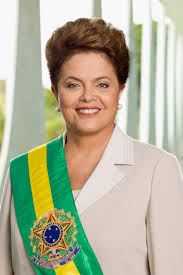
PRESIDENT OF BRAZIL |
|
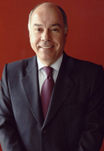
FOREIGN MINISTER OF BRAZIL |
|
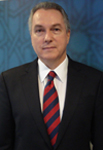
AMBASSADOR OF BRAZIL |
|
Ambassador Flavio Marega gives an interview to |
RIO 2016 |
|
|
|
|
|
|
|
|
HE Ambassador Flavio Marega, unveiled to the Al-Hayat Newspapers yesterday that the Consular Section of the Embassy of Brazil in Riyadh had issued over 2600 visas to visit Brazil last year...More |
06 AUG 2016
93 Days

|

|
|
Previous
Next
|
FEATUREDNEWS:
|
FEATURED ARTICLE:
|


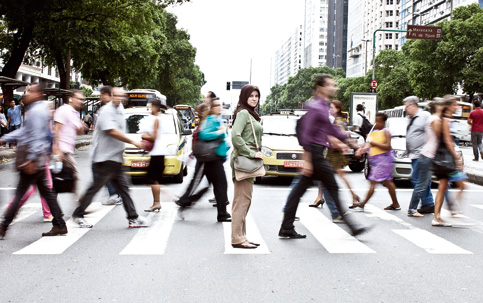 Aumento no número de mesquitas no País, de sheiks que agora falam português e de brasileiros no topo da hierarquia de centros islâmicos explica a expansão dos muçulmanos no Brasil.Quando decidiu se aproximar da cultura islâmica, o soteropolitano Wilton José de Carvalho não poderia imaginar que ganharia um lugar de destaque entre os seguidores brasileiros do profeta Maomé – cerca de 1,5 milhão. Católico praticante, Carvalho foi apresentado ao islã por um amigo em 1990.
Visa To Brazil |
Business with Brazil |
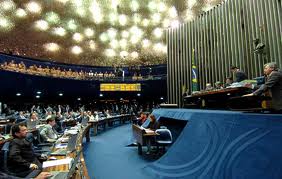
Brazilian Parliament |
Brazilian Senate |
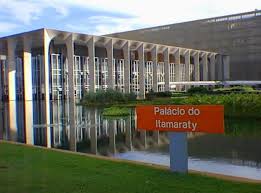
Foreign Ministry |
RIO 2016 |
STUDY IN BRAZIL |
 |
 |
|
|
|
|
|
Consular Services |
Commercial Information |
The National Congress |
Senado Federal |
Ministry website |
Official Website |
Study in Brazil |

|
Invest & Export 
|
Business Opportunities
|
Brazilian Exporters
|
Tourism in Brazil
|
Invest in Agriculture
|
|
| Subscribe our Newsletter |